
Welcome to the page that houses the 2020
#GBWRITESWITHOTHERS
guest blogging initiative! Established in April 2019, it was created to help boost writers at all levels in their careers through pure community effort.
Views and topics are those of their authors.

Quarantine University by A.P Miller (@Millerverse)
[FOREWARD]: I want to thank Gillian, to the fullest extension of gratitude, for the opportunity to participate in her “Writing With Others” event. Essentially, she is giving me an opportunity to have my work and style to be seen by her readers and that consideration is valuable. Thank you, the reader, for the time and energy you are spending on reading my contribution — thank you, Gillian, for allowing me the opportunity to exist within your creative universe!
What did I learn from #QuarantineLife? I’ve had the opportunity to meditate on how this era in time will shape me. I’ve learned a lot about life and myself. You could say that I’ve received an education in self from the Quarantine University. I began writing this blog with the intent of being serious and introspective, but that’s just not my style. So, for your entertainment, I’ve put together a course listing for my freshman year at Quarantine University.
[FOREWARD]: I want to thank Gillian, to the fullest extension of gratitude, for the opportunity to participate in her “Writing With Others” event. Essentially, she is giving me an opportunity to have my work and style to be seen by her readers and that consideration is valuable. Thank you, the reader, for the time and energy you are spending on reading my contribution — thank you, Gillian, for allowing me the opportunity to exist within your creative universe!
What did I learn from #QuarantineLife? I’ve had the opportunity to meditate on how this era in time will shape me. I’ve learned a lot about life and myself. You could say that I’ve received an education in self from the Quarantine University. I began writing this blog with the intent of being serious and introspective, but that’s just not my style. So, for your entertainment, I’ve put together a course listing for my freshman year at Quarantine University.
There’s something very important that I need you to know: when faced with something stressful or worrisome, the members of my family elect to laugh at it. It’s a perfectly natural stress response and it’s how we’ve coped with the worst that life can throw at us. When you read my blog, scratch your head and ask “how did this knucklehead make it this far in life?”, just keep in mind that I have navigated the Quarantine and pandemic by allowing myself to laugh at it.
[DISCLAIMER]: The following are fictional courses that I would have to take and are not intended as commentaries towards any individual or generation.

Quarantine University
Home of the Fightin’ Immune Systems
Course Listing - Fall Semester
Student: Miller, A.P.
Intro to Telecommuting - (2 Credits) - the basic concepts and etiquette of working from home and engaging colleagues through a teleconferencing platform. Major topics of study include:
Muting the microphone when flatulence occurs.
When and where not to wear pants while working from home.
Making sure you are in the right chat window when you want to tell a coworker that if your boss had their head any further up their own butt, they’d have to pad their shoulders with toilet paper.
When “Quarantine Hair, Don’t Care” is and is not the appropriate hill to die on.
Final project will be an endurance test of how long you can sit at your computer without checking social media on your phone.
Domestic Engineering 191 - (3 Credits) - An intense focus and study on living in a world where going to a restaurant or grabbing a quick bite just isn’t an option. Primary learning for these points are:
Planning to prepare sustenance over a period of a few days or weeks.
Proper refrigeration.
How the smell test is not accurate...ever.
Medium rare chicken is not a thing and it will kill you.
Your final grade will be assessed on whether or not you starve to death.
Interperson Relationships 110 - (2 Credits) - So you have no one to socialize with but yourself, and let’s be honest: no one likes that person, not even you. This course will take you through the intricacies and nuances of coming to terms with your garbage personality. Course focus:
Yes, you are annoying when you chew.
Well no one else has been through your apartment/house/dorm, I guess you are the one leaving all the messes around the place.
Is it a drinking problem if you have no choice but to socially drink alone?
Was your last break up your fault and are they better off without you?
Final project: keeping a log of how many bad habits you’ve eliminated vs. adopted.
Social Media Etiquette and Execution 119 - (2 Credits) - This course is a reminder that everything you say and do on the internet is forever, especially your social media presence. The things you say and post online will haunt you. Course highlights:
Are you trying to open the eyes of the masses or going out of your way to be an a**hole? Knowing the difference.
Reading the virtual room — is now the appropriate time to share your opinions on world events?
If you didn’t take a picture of what you ate, did you really even eat it?
Dodging your grandma’s questions about what internet acronyms mean.
Your final grade will be determined by reading Facebook posts from people you went to high school with and determining the most appropriate response between “say nothing” and “are you ***ing kidding me?!”
Reintegration into Civilization 183 - (4 Credits) - You aren’t going to be living like a hermit forever, and will eventually have to interact with people again. This course is designed to sharpen and maintain the skills you may have lost while in quarantine and lockdown. Course objective:
Remembering what personal space is and how to respect it.
There are consequences for mouthing off to other human beings and there is no anonymity to protect you when you do it in public.
When is the appropriate time to comment on how much weight someone has gained in quarantine: never.
Personal grooming is no longer an option, but necessity.
The final exam will be a combination of multiple choice questions, essays on how to speak with other human beings, and a teleconference simulation of actual human interaction.
Recommended courses for Spring Semester:
Appropriate Workplace Speaking Volume 201
Managing Separation Anxiety in Pets Now That You Have to Go Back To Work 226
Reversing the Damaging Effects of Having Been Able to Use Rampant Vulgarity Without Moderation or Consequence 291
Have a Wonderful Semester!
Thank you all, again, for reading my work and allowing myself in your realm of notice! It is my sincere hope that you all are taking every precaution to stay healthy and happy!
Sincerely,
-A.P.
If you enjoyed this piece, please follow A.P. Miller on Twitter @Millerverse.

From Friends to Words: Things Found in a Pandemic by Alexa Rose (@roserhigo)
As an extrovert with 30-some years of experience being an introvert, remaining apart from the world during a time of global crisis should be easy. I can keep myself busy with writing and editing, video games and movies, cooking and baking. But this time of pandemic and stay-at-home orders is different. I’m not staying home because of PTSD or undiagnosed gender dysphoria. Rather, I am home because I am medically vulnerable, and going into public means risking my health.
Thankfully, I am adaptable. That has been a strength throughout my life. Whether I was in the military, moving from state to state, or coming out as trans, I have adapted. So, here’s a look at the things adaptation has taught me during this pandemic.
As an extrovert with 30-some years of experience being an introvert, remaining apart from the world during a time of global crisis should be easy. I can keep myself busy with writing and editing, video games and movies, cooking and baking. But this time of pandemic and stay-at-home orders is different. I’m not staying home because of PTSD or undiagnosed gender dysphoria. Rather, I am home because I am medically vulnerable, and going into public means risking my health.
Thankfully, I am adaptable. That has been a strength throughout my life. Whether I was in the military, moving from state to state, or coming out as trans, I have adapted. So, here’s a look at the things adaptation has taught me during this pandemic.
The Importance of Friends
For a year, my Twitter friends were mostly met through the lens of likes, comments, and the occasional DM. And then, as social spheres shrank and the threat of going outside increased, the need to connect became pervasive. By means all their own, numbers were exchanged, and texts, iMessages, and phone calls became a thing among wonderful people I’m so happy to call my friends. In an world where six feet might as well be a mile, a phone call has renewed importance. It is socializing, and I love it.
What do we talk about? Work, sometimes. Video games, here and there. Hardships, feelings, passions, and goals come up often. We laugh a lot. There have been tears. But now these are shared experiences unfiltered through a screen and without the best guesses of autocorrect.
Where once I was content to return home, lock the door, and sequester myself behind the autoplay drone of Netflix or the colorful chaos of a video game (I’m looking at you, Final Fantasy 14), I now look forward to these texts and calls with friends.
And there are local friends, too. I see them from time to time in town, but we mostly stay connected through social media, texts, and emails. Frankly, it’s good to know new and old friendships can endure this extended period of limited contact.
Skills I Had Thought Lost
Through my friends’ encouragements, I have rekindled lost passions. After being listless and disinterested for so long, I nearly forgot the joys I had once done for a living. Years of depression had told me I was not good enough, but now, friends tell me that voice was a liar.
I’d spent three months learning 24 college credits’ worth of public affairs material in 2009, and I’d worked in public affairs until 2012. From then to 2020, those skills had gone unused. But I love working in public relations and marketing. So I was thrilled when I was asked to do contract work managing two brands and helping to build a third. I know I have a knack for talking with people. My design sensibilities usually hit the right notes. And I love writing, so drafting site or ad content is always a pleasure. But I especially love that, after a day of design and toil, I have a unique creation to give to my partners, friends, or clients.
I also found my lost love of short fiction. I wrote my first short story in 1998. Oh, how flat the characters and ham-fisted the narratives, but some moments stuck with me. Back then, I’d written about a woman who was an agent for a shadowy intel organization. She was commanding, unfettered, and a complete and total anti-hero. I’d go on to write intermittent short stories through seven years of university studies and six years in the military. And then I turned my focus to narrative fiction in novels. I enjoy what I wrote during that time, but none of it has stuck with me. The short stories I wrote this year were my first since I’d graduated college in 2012, and I think they turned out well. I submitted all three for publication. One was accepted, and I’m confident the other two will find homes.
Writing Reflections of Today
The stories I write now are fundamentally different from those I wrote two years ago. In that time, I have transitioned, been through other life changes, and watched as this pandemic has swept across the globe. My stories have more edge to them. They are darker, but there is also a steady pulse of hope flowing through their lines.
Pre-pandemic, I wrote a fantasy/lite-romance manuscript. It took me eight months to world-build, write, and revise, and as I write this, I am awaiting a beta reader’s feedback. The story had conflict, friendship, and love. It was part of my transition, and it will forever be special to me.
Now, I am world-building a cyberpunk story. It is dark and oppressive by design. Set a hundred years in the future, I envision a corporate dystopia that builds from where we are today. Pandemics are part of this tech-ruled world. Social distancing is commonplace due to global access to wireless and satellite internet. There is a recurring theme of isolation.
The last short story I wrote was set in 2020, and it discussed the pandemic. My characters had found ways to remain happy despite the threat of infection. Like me, they were isolated, found joy in limited company, and embraced their work and hobbies. They were mirrors of my identity, and they helped me understand how I was coping with these changes to society and life.
Identity in a Pandemic
I had worried this continued isolation would wreak havoc on my mental health. However, the inverse happened. I am happier now than I have been in years.
While the pandemic is certainly a crisis, it sits on one side of the scale. The other side holds my transition, my writings, and my growing list of friends. I talk and text with wonderful people every day. We support one another, and we make each day about something other than the pandemic or social issues. We don’t discuss politics. We do find reasons to laugh.
My identity has rallied around these friendships. It has been bolstered by my writing. And it is wholly wrapped up in my transition. Despite the divisions that keep people apart today, I am happy to be a friend to so many wonderful people. I am delighted to be a writer. And I am forever overjoyed to be me.
If you enjoyed this piece, please follow Alexa Rose on Twitter @RoseRhigo.

Making the Best of COVID: Re-Evaluating My Habits by Renée Gendron (@ReneeGendron)
My brain broke during the second month of self-isolation. There was a tipping point between a grey and miserable spring, the heightened societal anxiety about COVID, and me trying to complete a first draft of a novel that was a struggle. I went from writing 3,000 semi-decent, unpolished, words in an evening to 500 garbled words.
I’m a big picture thinker. I like systems, processes, and patterns. It’s one of the reasons I write ridiculously long series—they have long arcs, nuance, and complexity.
My brain broke during the second month of self-isolation. There was a tipping point between a grey and miserable spring, the heightened societal anxiety about COVID, and me trying to complete a first draft of a novel that was a struggle. I went from writing 3,000 semi-decent, unpolished, words in an evening to 500 garbled words.
I’m a big picture thinker. I like systems, processes, and patterns. It’s one of the reasons I write ridiculously long series—they have long arcs, nuance, and complexity.
When you look at systems, they atrophy. They are built up (think of a new car), they hit peak performance (within the first two years of the car’s life), and then they start to decay (need maintenance until they are no longer repairable).
During COVID I learned that principal applies to thoughts, as well. How I was approaching writing prior to COVID had run its course. My performance peaked and then declined.
COVID gave me time to rethink. Prior to COVID, I viewed myself as a fantasy romance and historical romance writer. I never touched contemporary because I write stiff dialogue.
I switched genres. I gave it a shot. I was surprised at how well the words flowed. If I say a small Canadian town in 2020, you have at least a vague idea of what that means even if you’ve never been to one.
If I say, the Chaslise of Aliepi is needed for the Ritual of the Third Moon, well, that requires world building. A few sentences here, a few sentences there and pretty soon I’m in the long grass of world building and info-dumps. Then I need to go back and hack that down to two lines. Not having to world build allows for a completely different thought process. Without having to do that much front-end editing, the words flowed better.
Don’t get me wrong. I love writing fantasy romance, historical romance and alternative history romance. And when I grow up, I will publish books in those genres.
By switching genres, I changed what I had to think about to get the words on the screen. That simple change unblocked me. I was back up to my pace of one complete (but better draft) in one month’s time.
Routines are patterns that work well until they don’t. Like everything else, they atrophy and no longer suit their purpose.
I changed the routine of my local writer’s club. For almost 10 years, we’ve met once a month to discuss a 10-page contribution of a member. We’ve done a few social things together, but our purpose remains focused on the writing.
Well, during self-isolation, we started having a social meeting through an online chat program two weeks after our “writing meeting”. It’s expanded our relationships, we laughed when there wasn’t much to laugh about in the world, and we’ve continued with the online “writing” and “social” sessions.
I’ve re-evaluated other patterns in my life. I’ve extended by one hour how long I sleep. Most of the time I sleep the entire hour. Sometimes I wake up one half hour before the alarm goes off, but those extra thirty minutes were something my body needed. And I didn’t know it needed it. The extra sleep has had tremendous benefits on my concentration and overall energy levels.
I experimented with my schedule. This spring was particularly cold and grey and made exercise in the morning difficult. I switched to doing some in the afternoons and that gave me a boost to see me through the rest of the evening. With the summer, I changed my schedule again, to take advantage of the sunlight and exercised in the morning.
There were a bunch of small things I did that sapped my time and mental strength. I switched when I did laundry so it flowed better with my day. I found simple recipes I can make so I’m not always eating tuna from a can or salami. By simple recipes I mean frying peeled shrimp, buying pre-cooked rotisserie chicken and eating with it kale, and no-bake baking. It’s a bit of variety, enough to make each day different.
What did I learn because of COVID? I re-learned the importance of re-evaluating my routines and habits to ensure they were working for me.
COVID or not, I refuse to rot.
You have power over your mind—not outside events. Realize this, and you will find strength. —Marcus Aurelius
If you enjoyed this piece, please follow Renée Gendron on Twitter @ReneeGendron.
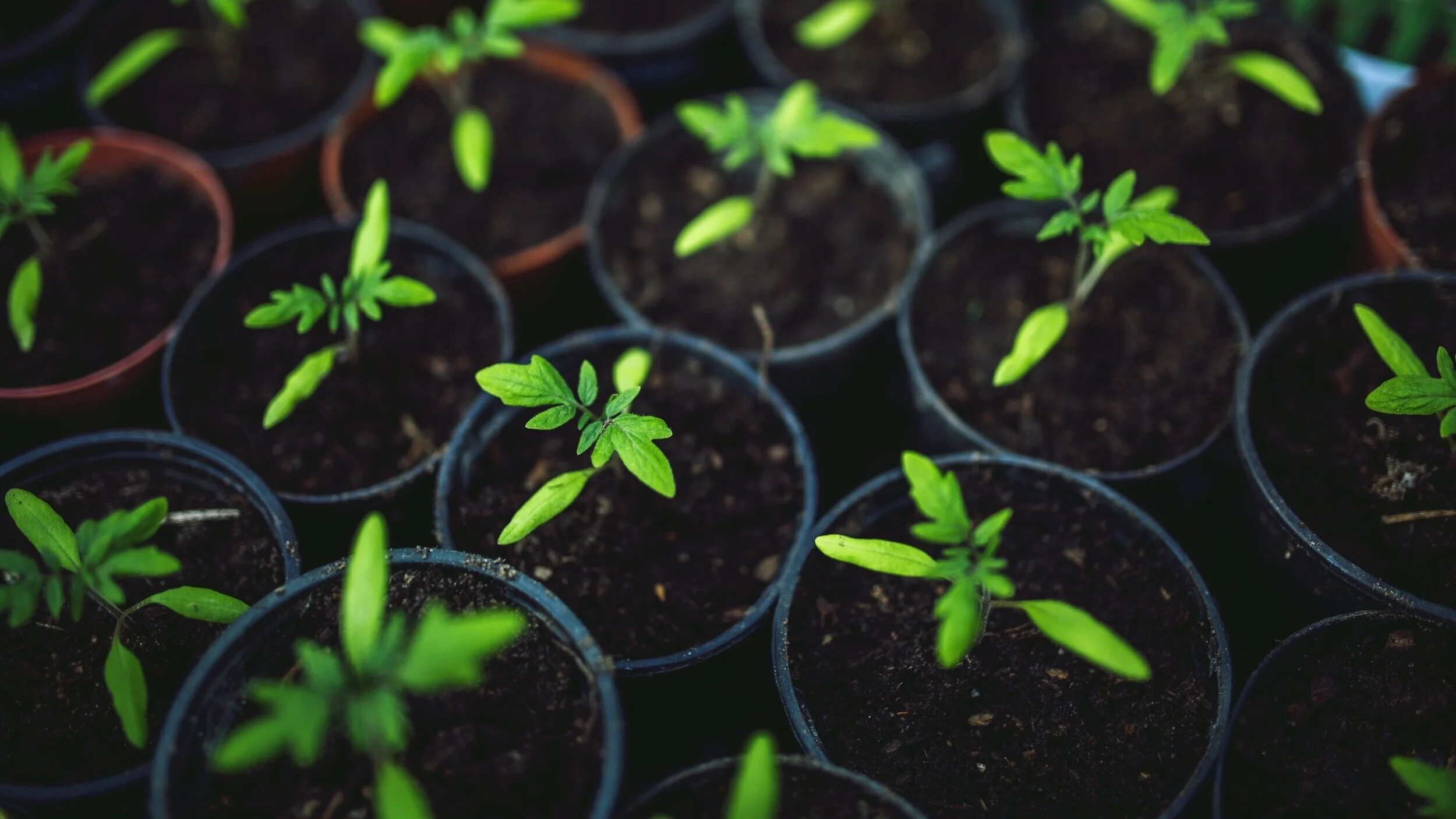
Maintaining A Dark Garden by U.L. Harper (@ulharper)
My backyard doesn’t have lights, so I pace back and forth in near darkness. My vegetable garden is a shapely shadow pumping out the aroma of fresh cucumber and tomato. From the back door of my house and all the way across the yard to my garage, I trek to and fro. I ponder the sirens, and my neighbors fear of possible home invasions due to the ongoing socio-political uprisings that we’ve seen and can hear. All this happening during an ongoing pandemic.
In the shadow of my backyard, I simmer in a widely publicized and debated quarantine. In moments of stress, when my kid is finally asleep, and my wife rests beside her upstairs, I finally get a chance to focus on my own thoughts. Hence, I’m outside, quietly pacing around the yard.
My backyard doesn’t have lights, so I pace back and forth in near darkness. My vegetable garden is a shapely shadow pumping out the aroma of fresh cucumber and tomato. From the back door of my house and all the way across the yard to my garage, I trek to and fro. I ponder the sirens, and my neighbors fear of possible home invasions due to the ongoing socio-political uprisings that we’ve seen and can hear. All this happening during an ongoing pandemic.
In the shadow of my backyard, I simmer in a widely publicized and debated quarantine. In moments of stress, when my kid is finally asleep, and my wife rests beside her upstairs, I finally get a chance to focus on my own thoughts. Hence, I’m outside, quietly pacing around the yard.
My phone flashes. It’s another one of my white friends giving their Black friend a chance to speak. Also, I’m a pretty damned interesting guy, so they want to hear my opinion.
I tell this particular friend, “Hey, man, are you healthy? How’s the family?”
I’ve been a writer for most of my life and I still don’t have the language to make this a meaningful conversation. I don’t have the language to center the both of us in this moment. There’s too much space between us. There’s too much of too much. I know, but they won’t agree, that our friendship started before we met. Their history and my history didn’t prevent us from flourishing next to one another. But in the future, their history and my history could destroy us, because although our communities merged or attempt to do so, once we recognize the two different communities the Venn diagram is partitioned, and then we’re at odds.
What I’m learning from being in quarantine, what I’m learning from having time to focus and debunk myself and those around me, is that the process of becoming a better society is not the solution. I’d argue it’s part of the problem. But only part of it.
I hang up the phone, press open my garage door and flick on the light. My garage is cobwebs with dead spiders. It’s dust adding a layer of neglect to what is stored in here because we care about it so much. The boxes underneath the long wooden table along the wall are proof of another lifetime’s baggage lingering. You can’t just get rid of the stuff. Where does it respectfully go? Who has time to deal with it the right way?
I punch the garage door opener on the wall. The mechanism that opens the door is metal on metal. Wheels and chains pull a heavy door up a track, to me, no less amazing than mysteries of the pyramids. I know nothing of some of the simplest things around me, but as I bring in my yard waste bin, I’m confident in one thing: I don’t want anything in my garden to die prematurely. I’m not choosing strawberries over leeks. I’m not choosing tomatoes over cucumber. Kale does not come before the squash. They do different things and you need to maintain them differently. I don’t need to make any of them as good or better than the other. It all just needs to grow. Making what is growing better doesn’t recognize its limits that make it exactly as it should be in its specific environment. That would be the point with all these different things wouldn’t it? Let them grow as they should, and they can still be maintained properly in the same soil. Feed them, water them, give them shelter and they will produce what they’re meant to produce.
I learned and was affirmed of that in quarantine.
When my daughter starts her day, that’s when I start my day; therefore, right now it’s late. I twist the knob on the back door, push it open and tip toe inside. My back door leads into the kitchen. This must be what a burglar feels like. I’m going to rob the freezer of its ice cream.
Every night it gets late. It sounds so simple but it’s worth saying that every day comes to an end. When you wake up you must be ready to do the simplest of actions. For me, during quarantine, I need to be ready to receive people, even on the phone, for who they are. They can’t receive me unless I receive them. That’s respect. For me, in quarantine, I also need to be prepared to pace my yard and keep a steady mind on my family, no matter where they are. And, when it comes down to it, when it comes right down to it, I need to recognize and maintain my garden. I know. Not as easy as it sounds.
If you enjoyed this piece, please follow U.L. Harper on Twitter @ulharper.

10 Life-Changing Lessons from Quarantine That Will Add Value to Your Life by James Murphy (@mutabilisblog)
The incredible toilet roll hunt seems like a distant memory; the hysteria and panic have found equilibrium and face masks have become a standard component of our daily outfits!
Just six months ago, when the world was stock-piling toilet paper, and opportunists were hoarding supplies of antibacterial gel, it felt like the required adjustments that would help us to navigate this pandemic were too much to ask.
As the world came to a grinding halt, a question hung in the air, as invisible as the virus:
What will become of us?
The incredible toilet roll hunt seems like a distant memory; the hysteria and panic have found equilibrium and face masks have become a standard component of our daily outfits!
Just six months ago, when the world was stock-piling toilet paper, and opportunists were hoarding supplies of antibacterial gel, it felt like the required adjustments that would help us to navigate this pandemic were too much to ask.
As the world came to a grinding halt, a question hung in the air, as invisible as the virus:
What will become of us?
As a confessed introvert, it was quite easy for me to go outside just once per day to take my three dogs for their walk around the local park. I welcomed not having to masquerade as an extrovert, and I loved that I had an excuse to avoid small talk in the supermarket!
My partner, however, felt like a caged animal.
It wasn't long before the words we exchanged became charged with tension, and a quick scroll through social media established that this was a phenomenon occurring in most, if not all, homes.
People lost their jobs, record numbers of people applied for low-income benefits and the self-employed have had a particularly arduous journey.
In the UK, remarkably, we adjusted.
Employers embraced flexibility, and workers showed patience, even the government hacked at their bureaucracy, providing more efficient processes.
Ten life-changing lessons from quarantine that will add value to your life!
As the months have passed, I have identified ten, actually loads more than ten, lessons that will benefit us for years to come—if we remember them!
The NHS is outstanding.

Too often, we take the NHS for granted in the UK, and this pandemic has demonstrated the true worth of this vital asset. Furthermore, in recognising the contribution of the key and core workers, it became clear that the sheer size and variety of the workforce is dizzying.
It was heartwarming to see the rainbows appear in windows, and the first time I heard the clapping my whole body erupted in goose-pimples. As I hung out of my bedroom window, I couldn't help but beam from ear to ear as I added my clap to the thunderous applause.
When, or if, things get back to 'normal' and you find yourself in a waiting room that seems to be moving at a snail's pace, or perhaps a referral to see a specialist takes longer than expected, remember that you're dealing with these celebrated people that deserve our patience, respect and gratitude.
Take a moment too, to acknowledge those countries that don't have Universal Healthcare.
Living in a state of chaos is unnecessary.

Nobody is immune to the addictive poison that is, What If?
Every journey, act, event, plan and goal can fall victim to this relentless thief of joy, by way of overthinking. Nobody saw this pandemic coming; it swept across the globe at an alarming pace of indiscriminate contagion.
Yet we adjusted, implemented and adapted.
The truth is that none of us knows what the future holds, even probability is unreliable, so embracing that existence is continuously changeable and being responsive to changes will lead to a much calmer state of being.
Resisting change will only lead to pain.
Moaning is as soul-destroying as it is useless.

The thing about common sense is that it's common, not complete.
Of course, there will always be those on the margins that refuse to conform, even after being informed. The conspiracy-theorists, rebels, attention whores and the plain stupid will always be a part of the conversation, and they're entitled to be so.
Pay attention to what you pay attention to because for every one nonconformist; hundreds are doing the right thing. Make sure that you see the real picture, not just what you can see.
So next time you're at the supermarket, and some obnoxious chap is without a face mask, remember that it's not your job to quality control the human species. The same applies to all areas of life.
Be where your feet are!

Pre-March everybody was so busy! Wake up to make a coffee whilst thinking about taking a shower, only to be in the shower and thinking about the journey to the office.
Always in a different place, mentally, than physically.
It's such a shame not to relish the scent, and feel of your body wash in the shower because you're thinking about a much less enjoyable commute to work.
Quarantine has given us all a licence to slow down and have the mind in the same place as the body.
Next time you make your morning coffee, or tea, listen to the rolling boil of the kettle and delight in the smell whilst your fingers stroke the texture of the cup and look for the wisps of steam rising from the hot liquid.
Identify and communicate clear boundaries.

The rush of the commute combined with the fabric of social constructs that we get wrapped up in can lead to boundaries becoming unclear, ignored and crossed.
In every workplace or team, there is a person that lacks any understanding of personal space, and they seem to get away with rubbing everyone up the wrong way as a result of these pesky social constructs.
Now is the time to identify what you need to be the calmest, most engaged, and adaptable person that you can be - then explicitly state this to those around you.
To expect the office and home experiences to echo is irrational, being that there are so many people to consider. Be reasonable; the trick is to create an environment for yourself and not to manipulate the entire situation.
Know what you're about, and be about it.

At the risk of making myself sound like a new-age witch, intentions determine outcomes, so make sure you know what yours are, for sure.
Different from a goal, which is an achievement or consequence, the intention is the specific reason or purpose for the action.
For example; to create an influencer platform for financial gain is an intention whilst a supporting goal could be to accumulate ten thousand followers.
The big one to work out is your life-intention; which is remarkably simple when one crucial fact is clarified: passion is the result of an action, not the cause of it.
Suspend the 'rules', by that I mean the boring stuff like salary, mortgage payment, bills; it's just how things work etc. and think back to when you were asked as a kid what you were going to be when you grew up.
If you still want that, what's stopping you?
If you don't, what do you want to do with the unknown amount of life that you have left?
Only when you know what you're about, can you be about it!
We don't need as much as we seem to think we need.

Until around ten thousand years ago, almost all humans were nomadic hunter-gatherers. Living the life of a traveller meant having few if any, possessions.
When the first humans settled and started tending crops, the accumulation of material possessions behaviour took hold. As manufacturing and technology have advanced, this has become dangerous and destructive for our planet.
Sure, it can sometimes feel like 'eco-friendly' is a stick that we get beat with when we buy the cheaper detergent, forget to take our reusable carrier or opt for single-use plastic - but the fact remains that there is a resource crisis and we could all do better.
The truth is that humans need very little to maintain life, and there is more than enough to go around. That urge you feel to hoard toilet roll is nothing more than a hangover from the prehistoric nomad days—so resist!
Debunk the myth of scarcity.

The incredible toilet paper rush, bear with me, can teach us a valuable lesson about human behaviour. Your primal brain is catastrophic by nature; when your brain gets a 'peckish' signal from the stomach, your mind creates another message to get you to eat - it screams that if you don't eat now, you'll die.
There is also a cognitive bias whereby the rate of uptake of beliefs, ideas, fads and trends increases in line with the proportion of others who have already done so.
It's called the bandwagon effect.
The toilet paper hunt gained momentum because the primal brain was screaming dramatically, and the cognitive bias sought to calm it down.
Understanding that scarcity is a myth makes way for the 'sensible' frontal cortex of the brain to employ reason, problem-solving and impulse control to determine a course of action that is better for the greater good.
In a nutshell, you'll feel safe enough to share.
Continue to get out in nature!

It's hardly surprising that nature has a relaxing effect on us humans, frazzled as we are by our technology, systems, processes, constructs, rules and concepts.
Science endeavours to replicate nature, so when there is a disturbance, anomaly, or failure, the first place to look for a solution is in our natural environment.
I remember, with the horror of a true introvert, how many people were suddenly in the park where I walked my dogs every day. We had been walking there for five years and rarely saw another person, but this pandemic drove people outside.
What stood out most, to me, was how relaxed these people were, the natural smiles of couples, families and friends surrounded by nature and walking, playing football, riding bikes and siblings playing together.
Do yourself a favour and ditch the devices at least once every day, and revel in the wonder of nature.
Lighten Up!

Relax! Nothing is under control.
We all use our systems, beliefs and habits to give order to the chaos that is life, and sometimes it works. Routines trick us into predicting outcomes, and we willingly ignore the fact that the occurrence of an event comes with no guarantee of repeat.
Lighten your emotional load, lighten your physical load, lighten your social load and lighten your material load.
All that stuff is weighing you down.
It's also essential to find a way to laugh, every day.
As things increasingly loosen, we have the perfect opportunity to live with intention, determining our own desired outcomes.
What lessons has this modern time taught you? Tell me in the comments.
If you enjoyed this piece, please follow James Murphy on Twitter @mutabilisblog.

The Corona Is the Outermost Part of the Sun’s Atmosphere by Jared A. Conti (@OracularBeard)
My day job as managing barista of a small coffee house that had remained fairly consistent for the last twelve years had been thrown into complete disarray. Uncovered shifts, whackadoo customers, and deliriously long lines I could handle. COVID I could not. Looming restrictions took a bustling morning hangout with whom I knew everyone’s name to a ghost town of to-go orders and social distancing.
My day job as managing barista of a small coffee house that had remained fairly consistent for the last twelve years had been thrown into complete disarray. Uncovered shifts, whackadoo customers, and deliriously long lines I could handle. COVID I could not. Looming restrictions took a bustling morning hangout with whom I knew everyone’s name to a ghost town of to-go orders and social distancing.
My life was quickly reduced from four hours of bar time and a nearly limitless supply of kicking around before the kids got out of school and daycare. I now had three hours, customers bottoming out, and my kids’ idea of kicking around was quite literal.
Along with the consistency the coffee shop had afforded me, it was the relationships that had suffered the most. I was left with dangling stories of happenings in their lives, unable to put plot pieces together. As far as my own children were concerned, their stories were the same everyday it seemed.
“Shoot for the moon. Even if you miss, you’ll land among the stars...
Thankfully, one of my biggest creativity blunders came early on in the pandemic.
Along with being a poet, I’m in a musical duo where I write, sing, and whistle. Not that we had any gigs scheduled until late July, but we’re always up for a slot at said coffee shop when the mood strikes us. We do, however, get together weekly at the bar—which wasn’t happening now, either.
We opted for socially distant driveway beers, and soon talked turned to musician friends of ours who’d often swing through the coffee shop. Our compatriots were suffering now because all of the venues, travel, and money had dried up overnight.
Bands were now running gigs through Facebook Live on the pages of venues where they should have been performing. Even more seasoned veterans were posting videos to YouTube in an effort to bring joy to their followers.
April rolled around right quick, at the same time feeling like forever getting there. My bandmate had this idea to commit to covering a song a day—mostly his musical influences—but unfortunately some the two of us covered, and even an original.
I don’t play any music, but as a treat to myself (or so I thought) I figured if all these other yahoos were doing it, I could, too. Or so I thought.
...where you will be forced to drift aimlessly farther into the vast, empty abyss of space, until a lack of food, water, and oxygen causes you to succumb to death’s cold embrace.”
I picked up my phone the first day of April and went on a walking tour of the university campus on which I resided. I started taking movies of the landmarks that would be appearing in scenes of the book I was working on that took place there.
An April’s Fool was I. I couldn’t figure out how to load the video the first night, and I was spent after a half-dozen days, nine at most. I used a five-year-old cell phone camera that I couldn’t figure out how to correctly upload to any social media platforms. And honestly, how many people were watching this nonsense?
Turns out my bandmate (that in addition to being good at his craft) had stockpiled a number of songs before starting his month of creativity. He put the work in, and he succeeded.
Is this why things like Patreon, Medium, or even a regular blog so daunting to me?
But this push to create more work wasn’t only thrumming inside of my chest, a slew of media outlets in my circle were trying new ways to pair creatives with their audiences, and keep all parties relevant during such a destructive time.
My initiation into Facebook Live performance was marred with technical difficulties, not the least of which was the lack of “crowd,” further solidifying my need for human interaction. Though there were many people connecting to the live chat, there’s nothing like bouncing your words off a group of people in person, seeing their eyes light up in some sort of connection.
The next few opportunities happened through a Zoom-like website that featured a “host” that either introduced me and asked pertinent questions about my craft, or better yet, would pop in from time to time and direct the conversation towards noticeable outcome.
All in all, it helps to have friends to know what they’re doing.
At least the view is nice from up here.
It would also help if I knew what I was doing.
The existential crises multiplied. I could deal with not knowing what I was doing on the creativity front: that was a given with most projects. I’d already lain the groundwork for the video project should the idea ever grow legs enough to walk through again.
Every step I took along the path of this book, furthered my trepidation of the project: you see, writing a post-apocalyptic set where I live, DURING THE MIDDLE OF A PANDEMIC was something tough to stomach.
It wasn’t until my last two performances of the year in late June and early July that I think I found my stride. The ending of my book “Last 4th of July” takes place in the environs to where both of my livestreams were committed, and this was the perfect opportunity to try out some new time-sensitive material.
Once I was willing to get out of my own way and step off the precipice into the unknown reaches of the abyss, the story took care of itself. Not just the one I was writing, but all of it, including the one I was writing most intimately: the story of myself.
Plodding along with the novel-of-sorts is just as fickle as always. Some days I show up to the page and it’s a smorgasbord. Others, not so much. The story will be there if I listen for it.
Hopefully, some day, my readers will be able to as well.
*Title source: spaceplace.nasa.gov/sun-corona.
If you enjoyed this piece, please follow Jared A. Conti on Twitter @OracularBeard.

Suffering As A Teacher by ASH (@ASHnovelist)
I want to look at the question itself: What did I learn from quarantine life?
There’s a famous Bryant McGill quote that, “suffering is one of life’s great teachers.” But I don’t think it’s a kind teacher, nor a compassionate one. I think it’s the kind of teacher that barks orders, punishes fast, expects too much from its students. I think what makes suffering such a great teacher, is that it’s effective at making you retain information. However, I don’t think that we always learn the right lessons from our suffering, simply that we feel an overwhelming need to prevent this suffering in the future. Our minds come up with reasons for our suffering but those reasons might not have any basis in fact. Our brains may create coping mechanisms, but they might not be healthy for our long-term survival.
I want to look at the question itself: What did I learn from quarantine life?
There’s a famous Bryant McGill quote that, “suffering is one of life’s great teachers.” But I don’t think it’s a kind teacher, nor a compassionate one. I think it’s the kind of teacher that barks orders, punishes fast, expects too much from its students. I think what makes suffering such a great teacher, is that it’s effective at making you retain information. However, I don’t think that we always learn the right lessons from our suffering, simply that we feel an overwhelming need to prevent this suffering in the future. Our minds come up with reasons for our suffering but those reasons might not have any basis in fact. Our brains may create coping mechanisms, but they might not be healthy for our long-term survival.
For those of you who don’t know who I am, I’m ASH. I’m a coward who hides behind an icon instead of showing their face. I’m scared of a lot of things, I try to please others because I don’t want confrontation, and I don’t know who I am. I think that these flaws, and many others, exist within me because of my childhood abuse. I was made to suffer and so I learned. I learned to associate common household objects with abuse. I learned to do what others want so they won’t focus their aggression towards me. I learned to never be certain with my beliefs because I was constantly told that those beliefs were wrong. These are lessons that might’ve helped me when I was young and under attack, but as an adult, they keep me from being happy and they keep me from being able to make connections. These are lessons that I’m not sure I’ll ever be able to unlearn.
Nice sob story. Boohoo who cares, right? I’m inclined to agree, but I feel like my suffering can help to explore this issue without things getting personal. I think there’s something deeper at the heart of the question: “what did you learn from quarantine?” And that’s the false assumption that suffering MUST be meaningful. Every horrible thing that happens to us has to have a reason, right? But why?
When bad things happen to us, we react, we cope, we recuperate, and then we evaluate; not necessarily in that order. When we evaluate our suffering, our brain is looking to prevent this horrible thing from happening again. If only I had checked my emails before walking out the door, I wouldn’t have gotten in that fender bender. If I had slowed down sooner, the car would’ve seen me. But this isn’t always true. Not all moments of suffering are preventable. It didn’t matter if I stopped playing with dinosaurs, or stopped reading about dinosaurs, or read about Greek Mythology, or studied mathematics. I was always going to be dumb and immature to my abuser. It was never about what I did, it was about them having power over me. There was no way for me to stop my abuse by changing my behavior. Similarly, sometimes you just get hit by another car.
There isn’t always a lesson to be learned from suffering. We want to believe that there’s some great lesson to learn so that it will never happen again. That impulse is strong and very human and I don’t want to shame people for having such a natural reaction, but we are not machines. We are capable of thinking about how we come to conclusions and why. When something bad happens, there isn’t always a way to stop it. I couldn’t stop my abuse because I never even knew to recognize it as abuse. With great introspection and understanding, we can recognize when we are powerless and fight the urge to jump to false conclusions that make us feel better about the future.
Moving into quarantine, I knew that I was troubled and flawed and weighed down by whatever undiagnosed mess the psychologists would call my mind. What I didn’t understand was how badly I had self-isolated before any of this began. My fear of socializing took my friends from me. It did it by degrees, convincing me that a phone call was too little, or that they were probably too busy to make time for me. Then my brain told me that I was a low-value friend and that all of my interactions with them were negative. Then it repackaged every conversation I ever had with them and turned it into a highlight reel of them being disgusted with me and them lying to feel good by taking pity on someone so repugnant. Six months before Quarantine started, I’d told my best friend that talking to them caused me anxiety and we stopped talking.
It took me a while to realize the truth of my situation. Much of my failings, my decreased memory, my mood, my appetite, were starting to be picked up by other people. Now that the world was in isolation, I started to see the true impact of isolation on the human mind. As bad as I was, my fears had only made things worse. The lessons of my suffering were only causing more suffering.
So I’m a mental wreck, who cares? Well, the thing about big events is that there aren’t easy answers. If a tornado hits your house while you were wearing a blue shirt, never wearing a blue shirt won’t protect you from tornadoes. So when buildings are hit by airplanes our minds aren’t okay with that. There has to be a reason! There must be something we can do to make sure a President is never shot again. That’s when conspiracy theories start. That’s when people believe that vaccines cause autism. COVID-19 will cause a flood of new conspiracy theories about how the youth, the left, the conservatives, the elderly, the government, or the corporations engineered a virus to kill hundreds of millions of lives. (I really hope we don’t match Spanish Flu numbers.) What’s important is that we don’t fall into that trap.
Suffering tries to force us to learn a lesson, but there’s never a guarantee that we’ll learn something useful. I think that on an individual level we can all learn a lot about ourselves during quarantine, but I don’t think that this pandemic should be the time to learn big lessons about the nature of the human mind or make sweeping generalizations about a group of people. I learned that I like kombucha, but only if it’s flavored rose or pomegranate. I learned that I have a lot of trouble working in the same room as my partner. I learned that hugging a stuffed parakeet can help me cope as an adult. I learned that I can’t live without friends even if having them is physically painful. I didn’t learn why COVID-19 has killed far more Americans than any other country.
If you enjoyed this piece, please follow ASH on Twitter @ASHnovelist.

Canceled Plans, Breakdowns, and Empty Cheeto Bags: How My Life in Quarantine was an Exercise in Gratitude by Emma Vale (@EmmaValeWrites)
A global pandemic couldn’t have arrived at a worse time.
In the first half of the year alone, I’d had five different travel plans, two different sets of relatives were supposed to come into town, and I’d found a way to squeeze in a writing workshop.
Everything had its own neat little box. I’d found the money to pay for all the trips and hotels needed. This year, I would be literally globetrotting.
A global pandemic couldn’t have arrived at a worse time.
In the first half of the year alone, I’d had five different travel plans, two different sets of relatives were supposed to come into town, and I’d found a way to squeeze in a writing workshop.
Everything had its own neat little box. I’d found the money to pay for all the trips and hotels needed. This year, I would be literally globetrotting.
Until this blasted virus came along.
Panic quite clearly settled not only into the media, but into every business, into every home.
Yet, in my household, there was no scrubbing of every surface. There was no hourly-ritual hand sanitization. There was no real worry at all.
This year I was to be a globetrotter, and in January, I’d taken my first trip. A ski trip to Bavaria, around the time the first cases were breaking in Germany. The first case was in fact, a piddling 10 miles away from the resort my family and I were staying at. It wasn’t widely known at the time. This obviously ended as well as you might think.
So, my mother started sneezing. Then she was quite quickly frightfully cold. Then came the cough. My mother’s cough shook the house. The coughing quite literally broke one of her ribs. Yes, that’s possible! You can break your bones by simply coughing too much. The damage made it difficult for her to breathe.
Eventually, we convinced her to visit the doctor and she was prescribed an antibiotic that cleared her lung infection. Once she was breathing easy, her fever dissipated and her ribs could heal.
We were one of the fortunate ones. We’re so thankful things didn’t turn out differently.
My mom passed the sickness to her children, of course. In a three-bedroom cat-house, when three of the five members share a loft, there aren’t many places for a virus to hide. We all contracted it, but maybe it was age, maybe it was the fact that we all had jobs in public service, but we only got a mild cold. One brother was lucky enough to be completely asymptomatic. All of us with runny noses and phlegm at the back of our throats would roll our eyes at the unfairness of it all.
And then the Corona-Panic swept in. Yet, my family breathed a sigh of relief. We’d barely dodged a bullet. Unlike many others, we’d already assumedly gotten the anti-bodies and had nothing to worry about. There would be no missing work, no need to fret about passing a test, or ultra-anxiety about a sickness we’d already experienced.
In place of worry, came boredom. The boredom would build and build and build until it reached the brim of my patience. Cue me bursting into random bouts of tears over predictions I’d seen on the internet. Lock-down could last till June. We’d never touch another person outside our household again. I’d never get my job back.
All were traumatizing thoughts. I’m an extrovert that loves my job and meeting random strangers. Odd traits for a writer these may be, but it’s always been who I am. My interactions with people feed my imagination. Observing others spins my mind into a creative weave; creating characters and plots out of dynamics I see and experience. Which is how lock-down affected my most basic skill. My stories weren’t interesting. I didn’t even want to read. There was nothing there. My imagination went on strike. Instead, there was an empty white space where those colorful events and dreams used to reside.
Things just didn’t seem worth it. So, I chose to do the easy thing; I drifted on the internet. Internet-drifting, while maybe fun for about an hour, is not great for the self-esteem. An Instagram post there about how I should be getting this ripped-bikini bod here. A rant on how we’d never leave our houses again there.
It just shoved me more into the hold of the blank emptiness. I’d violently spike into an over-active emotional state and then come crashing back down again.
So, if anyone asked, I was fine. Yep, I was fine. Totally okay.
And then I wasn’t. I wasn’t okay. I was banging cabinets, snapping at brothers, and collapsing into my mother’s arms to cry about how crappy my life was. Just play the Titanic soundtrack and let me eat my Cheetos in peace.
Given I was 21, this was not acceptable behavior. But quarantine did bring out the worst in me. Everything my life might’ve been this year was taken; my dreams of going to conferences and traveling. My world that had seemed so big just months ago was now reduced to eight rooms and a basement.
My weeks went from getting up on Monday, going to the grocery store—to it suddenly being Friday, and doing the laundry. Maybe a few walks were sprinkled in, but to put it in the most eloquent terms I know how:
It sucked big time.
By month two, I’d gotten the mood swings mostly under control. There was no “EUREAKA!” moment, just a gradual acclimatization to “Oh, so this is how life is now.” The walls of my house weren’t closing in on me. I wasn’t haunted by this almost spiritual claustrophobia.
Soon enough, restrictions began to lift in my country.
I live in Germany. I’ve grown up here, and I wasn’t surprised at all by the citizens response to lock-down. Most everyone was conscientious and followed the law. When the government told them to do something, they would do it with their typical rigid obedience.
When lockdown began to lift and things began to open, I found myself thankful for the most ridiculous things.
I could visit the bank and not worry about making an appointment? I could work a 9-5 job? I could go swimming in a public place?! I didn’t even enjoy the pool and I was thankful it was open again.
Little things like new flowers from the market made my day. Getting up to go to work seemed a blessing sent from heaven. My pen slowly drifted towards a sheet of paper again. A few short stories here and there and I began to look for publishing options for manuscripts all over again.
I started to look at the now-wide world around me. Things that had been “someone else’s” problem at the beginning of the year, I now felt for. I started to get involved in local politics, try to connect with the world around me in different ways than before.
I switched jobs and found a place that I really enjoyed working. Not only am I still in public service, but I get to serve baked goods all day! Hardly anybody comes in a huff when they’re getting a box of doughnuts.
I connect not only with my co-workers, but also with wider world in general. I have a unique appreciation for my close-knit community. Family means so much more.
As for my writing, I’m brimming with ideas and unlikely plots again. My determination is renewed and I have a new perspective to bring to the table.
So, while COVID might’ve trashed my plans, I might’ve come away with something different. An assuredness, a sense of gratitude, and confidence.
Would I want 2021 to follow in this year’s footsteps? Absolutely not. But this year was not a waste!
And that’s enough for me.
If you enjoyed this piece, please follow Emma Vale on Twitter @EmmaValeWrites.

It's Not All About COVID-19 by Erin Robinson (@flossybunny)
Everyone across the world is talking about how messed up 2020 has been so far. Mostly because of coronavirus (COVID-19). Mostly because they have had to quarantine for the first time in their lives. Everyone has been impacted in one way or another, but it's not why my 2020 has been hit hard.
In January, when COVID-19 in the UK was a muttered swirl of speculation, I sent my Dad a photo of my son. It was the evening of January 5th and he was playing in a pop-up tent he'd been given for Christmas. I snapped the pic and immediately sent it off to my son's favourite person in the world—his Papa. There was nothing different about that evening, except it would be the last.
Everyone across the world is talking about how messed up 2020 has been so far. Mostly because of coronavirus (COVID-19). Mostly because they have had to quarantine for the first time in their lives. Everyone has been impacted in one way or another, but it's not why my 2020 has been hit hard.
In January, when COVID-19 in the UK was a muttered swirl of speculation, I sent my Dad a photo of my son. It was the evening of January 5th and he was playing in a pop-up tent he'd been given for Christmas. I snapped the pic and immediately sent it off to my son's favourite person in the world—his Papa. There was nothing different about that evening, except it would be the last.
On January 6th my Dad died. It was sudden, brutal, and traumatic. For him, it was likely very peaceful, but for my Mum and sister who tried to save him—for all of us who stood in the hallway waiting for the paramedics to save him…it was surreal. He stopped breathing. His heart stopped. He died. My 2020 was done from that moment onwards.
As a family, our quarantine experience has been infused with grief and mourning for someone we loved. We had to make quarantine decisions that other people likely didn't have to make. Would my Mum manage for weeks or months on her own? Would I manage in that scenario? In the end, we all piled into my Mum's house and locked down together. Except we were not together—we were a family member down and, for the first time, we were facing the world as a new unit.
In March and April we would comment to each other on how many days or weeks it had been since Dad died. We would look over at the far side of the living room where he passed, and we would feel the absence. We were locked in with our grief. There was no escaping it - we couldn't meet people for distractions; or go out for the day; or visit his grave. Processing grief in those conditions has been impossible and it feels like only now have we come out of denial.
But it's not all bleak. We were given a break from the outside world for a while where we could sit with our loss. Quarantine provided us with time together as a family. We made memories. We celebrated birthdays over Facetime, dropped a makeshift Easter card through a friend's door, sunbathed in the garden, and consumed more apple pie than is socially acceptable. Yes, we grieved—we still are—but we also adapted to what our family looks like now. Quarantine gave us time that we never would have had.
I learned that those moments of quality with people I love are irreplaceable. They could be taken any minute. Quarantine has been hard for many, but I continue to remind myself that I have been given time I normally never have. I can enjoy being at home. My local area has never felt more appealing. There are parks to walk around, TV shows to binge, snacks to be indulged in, toys to be played with, and lazy days to thrive in. I've not had to pass acquaintances in the street and tell them "I'm fine," when I'm not. That time is now ending, but I can slowly emerge from quarantine with a stronger soul.
If you enjoyed this piece, please follow Erin Robinson on Twitter @flossybunny.

Embracing the Drift by Frank L Tybush V (@FLTV_Writes)
A quick glance at my bookshelf reveals all secrets. What secrets might these be? That I have an insatiable interest in the history of exploration and human endurance. Books about Everest, Arctic expeditions, archeological searches in harsh environments… they are my jam. I obsessively read survivors’ tales and pieced-together accounts of doomed journeys. I cannot get enough of what humans will do, because they can.
A quick glance at my bookshelf reveals all secrets. What secrets might these be? That I have an insatiable interest in the history of exploration and human endurance. Books about Everest, Arctic expeditions, archeological searches in harsh environments… they are my jam. I obsessively read survivors’ tales and pieced-together accounts of doomed journeys. I cannot get enough of what humans will do, because they can.
One fascinating aspect that pops up often is explorers coming adrift. And while, yes, becoming adrift physically (meaning lost) happens often, what I’m referring to is when the mind goes adrift. When there is a disconnect with reality. It often happens on long journeys with few markers to tether oneself. This can cause some people to go completely mad. Others fight through it by finding little ways to remind themselves of the world beyond their ship/tent/small group.
How does this relate to what I learned throughout this pandemic?
Other than short trips out (more in recent days, but still very regulated and careful), I have lived, worked, existed entirely in my house since March. I, thankfully, still have a job. My commute is now a walk up a flight of stairs. My breakroom is my kitchen. My once 10-minute jaunts through the streets surrounding my work’s office building have become me doing dishes or little chores.
Pretty much every day is exactly the same.
And I became adrift.
Sure, I’m a hermit by nature, but with work transitioned from a shared office to my lonely second-floor, I lost my tether. Zoom meetings and Slack conversations did little to help. I knew people existed, but I didn’t know where I existed.
I live in New York (upstate, not the city). We were hit pretty hard. In the early days, I obsessed over the news. I worried constantly. I have an autoimmune disease. Every time I had to get groceries, I fretted that I would catch the virus. I tried to limit leaving my house as much as possible. Because of this monotony, other than small reminders through work, I rarely knew what day it was. A Monday felt like a Friday, and a Friday felt like a Monday. Life became an endless cycle of worry, confusion, anger, and sadness.
I felt like I was going crazy. I couldn’t focus on work. And writing? Well, that gif of Kristin Bell laughing and then crying is the perfect representation. Thankfully, I had a finished novel to query, but all attempts to put pen to paper (or in my world, fingers to keyboard) felt hollow. I’d stare at the screen for a long while before just switching over to Twitter.
I wrote nothing.
I only had reams and reams of blank (digital) paper to show for the time I put into writing.
Then I made a decision… to both let go and embrace.
I first let go of the guilt I felt over my anxiety. The world is effed up right now, and it’s okay to have anxiety. Just admitting that helped a lot. At least I stopped worrying about worrying.
Next came the unhealthy news obsession. Sure, I still keep abreast of the news, but I stopped attempting to follow minute-to-minute updates. I let go. Finding out the latest scoop wouldn’t help the immediate situation. It wouldn’t ensure safety while shopping for my comfort foods (french fries and ice cream). I decided it can wait, and limited the time I spent scrolling and hoping for hope. And now, if I feel overwhelmed with the news coming out, I take a step back and not let myself drift into a downward spiral of “wtf’s.” (Instead, I go on a downward spiral of cute animal videos… much healthier, in my opinion.)
And most of all, I embraced being mentally adrift.
I embraced the realization that it is difficult to focus and stopped beating myself up over that fact. I couldn’t expect that I would have the same process that I once had. I accepted that it’s okay to drift.*
I no longer feel bad that I may start reading four different books before falling on one that I actually finish. Last year, I would probably have sludged through and tried to finish the book before heading to the next. Now, I’d rather spend my time enjoying a book, instead of stressing over finishing one I didn’t immediately connect with.
I’ve adopted the same mentality with my writing.
I have started two different books during the pandemic that I have abandoned. In the past, I would feel awful about giving up after a chapter or two, but times have changed. I celebrated the fact that I wrote but accepted that it wasn’t time for those stories. Allowing myself to drift freed me from anxiety.
Nowadays, I spend a lot of time workshopping and worldbuilding in my head before even attempting to write. Allowing myself to not feel like a failure for imagining instead of typing has helped to shift my mental state to a more positive one. Relieving the pressure enables me to feel more creative and less exhausted.
Yes, this all means that I have a lot of false starts, but the acceptance of the drift has allowed creativity to return. And this extends beyond just writing. For the first time, in a very long time, I’ve acquired new materials to return to creating sculptures.
Times have changed. In reality, they probably won’t ever go completely back to how they were before the pandemic. I’m trying to evolve and find my new normal. How long will it take to find this? I have no idea.
But in the meantime, I’m quite alright with the drift.
*I recently started listening to a band named “Creeper,” and I find myself singing one of their lyrics repeatedly to myself. “When your friends sing ‘Born to Run,’ baby, resist, ‘cause we were ‘Born to Drift.’” It’s starting to be my current mantra of acceptance in this day and age.
If you enjoyed this piece, please follow Frank L Tybush V on Twitter @FLTV_Writes.

Fill Your House With You by U.L. Harper (@ulharper)
My wife and I decided we needed to get the hell out of our house.
The bathroom is so small, you need to turn to the side to walk between the bathtub and the sink. Once on the toilet, you can rest your elbows on the sink. It’s the only bathroom in a three-bedroom house.
There’s no privacy in the backyard, which wouldn’t be a big deal except for the horror of the broken-down cars parked in my neighbor’s yard. It’s like living next to a cute little junkyard. And the neighbors across the alley always have their music too damned loud at too late an hour. 6 am to 11:30 pm, it’s the same thumping.
My wife and I decided we needed to get the hell out of our house.
The bathroom is so small, you need to turn to the side to walk between the bathtub and the sink. Once on the toilet, you can rest your elbows on the sink. It’s the only bathroom in a three-bedroom house.
There’s no privacy in the backyard, which wouldn’t be a big deal except for the horror of the broken-down cars parked in my neighbor’s yard. It’s like living next to a cute little junkyard. And the neighbors across the alley always have their music too damned loud at too late an hour. 6 am to 11:30 pm, it’s the same thumping.
When the pandemic hit, we were trapped. Two-year-old, upset anxious wife, and me, chillin and frustrated.
The steps to the upstairs bend and sound like they’re splintering every time we trek up them. All the rooms are too small. Even the doorways are too small. We had to get rid of furniture because the items wouldn’t fit up the stairs or through doorways or in the bedrooms.
When COVID-19 hit, I was laid off, but my wife was instructed to work from home. She feared losing her job because my daughter would not let her be, and in that room with the computers and desks, there’s no air-conditioning. Adding that to a super cute kid wanting to draw on everything or have a tantrum during Zoom work calls, is nuts.
What I learned from quarantine life is that you must love where you live. You have to fill your house with you, rather than just stuff that represents you.
As the pandemic rolled on, I’d hear about all these people who needed to get out of their houses; they felt claustrophobic. Wouldn’t it have made sense that when the pandemic started more people would have felt relieved that they could stay home and be with their families? Maybe they realized they didn’t have homes; they just had houses with stuff in them.
My family was having a hard time finding good energy to place in the walls. It wasn’t only us with this problem. I heard of mass divorces, at first, specifically in China, then friends started texting me, telling me their relationships were ending…after twelve years, after fifteen years and so on and so on.
One day my wife asked a huge question: What happened to that hammock I had promised? Before she was done asking the question, I was ordering one online. Then the veggie garden started to produce food. I had no idea cucumbers bloomed flowers. I put up a tarp across my back fence if for no other reason, to rediscover my backyard. We invested $20 in a pool for the girl.
I read in the hammock.
Come to find out, my daughter loves to dance. We do it in the garage to the generic beats of the Casio keyboard. She loves it. We dance in the living room, spin in circles out back. I try to teach her about growing veggies, but she’s not quite three and truly doesn’t care, and I truly don’t know anything. It’s just growing. Everybody, everything; all of us. She more wants to get in the pool.
I recently started back to work. Had to find a new job. Honestly, it sucks more than I can express in this post because now I like being home. I like coming home. I like that we’re here, and although we’re still planning on moving, we’re going to miss the energy we put into these walls. We’re going to miss the noisy steps. I’m going to miss that first garden I ever did, and I’m going to miss watching my daughter water it.
The only way to have a home is to be there. You can’t just stop by and wander in it. You need to be there. You know what I think, I think there are people out there truly upset and probably ashamed that they don’t have a home, although they have a house or an apartment or condominium or whatever it is. I’m not sure if money can buy a home. Although, that rowing machine I got…Worth it.
If you enjoyed this piece, please follow U.L. Harper on Twitter @ulharper.

2020 Writer Roster: #GBWritesWithOthers
For the first time ever, I am going to publish the roster of writers via its own post! This year, our theme (also a first…there has never been a theme before!) is “What I Learned from #QuarantineLife.” I believe there is a lot to be gained from others during this unprecedented year, so this is my effort to collect and share the knowledge, build our community, and foster cerebral bonds through the art of expression.
For the first time ever, I am going to publish the roster of #GBWritesWithOthers writers via its own post! This year, our theme (also a first…there has never been a theme before!) is “What I Learned from #QuarantineLife.” I believe there is a lot to be gained from others during this unprecedented year, so this is my effort to collect and share the knowledge, build our community, and foster cerebral bonds through the art of expression.
So here we go…by day:
September 1 Frank L Tybush V @FLTV_Writes
September 2 Erin Robinson @flossybunny
September 3 Emma Vale @EmmaValeWrites
September 4 ASH @ASHnovelist
September 5 Jared A. Conti @OracularBeard
September 6 James Murphy @mutabilisblog
September 7 U.L. Harper @ulharper
September 8 Renée Gendron @ReneeGendron
September 9 Alexa Rose @RoseRhigo
September 10 A.P. Miller @Millerverse
September 11 E. J. Dawson @ejdawsonauthor
September 12 Winter Krane @WinterKrane
September 13 Jamie Thomas @thatjamiethomas
September 14 Brenton Barnes @brentonsquared
September 15 Aubrey Medusa @AubreyMedusa
September 16 M. Hallrie (too cool for Twitter)
September 17 Erica Robyn @ericarobyn
September 18 Christopher Santoro @santorodesign1
September 19 Sherrie Gonzalez @sherrieberrie
September 20 M. Dalto @MDalto421
September 21 Rosemary Poppe @RosemaryPoppe
September 22 J.R.H. Lawless @SpaceLawyerSF
September 23 Cat Verlicco @growlette5
September 24 Sarah McGuinness (also too cool for Twitter)
September 25 T.M. Montgomery @TMMontgomery3
September 26 Mariana Serio @mstranslations
September 27 Michelle Peterson
September 28 Villimey Sigurbjörns @VillimeyS
September 29 Bethany Boggs @dreamgirlBA
September 30 Myself. Gillian F. Barnes @geezfresh
I am very excited about this group. Some of them I know quite well and some are complete strangers. Some don’t even bill themselves as writers (though many are involved in creative industries and the arts). I appreciate each and every one of them and hope you will support them this coming September.